sabiza.org Winter SUV Safety Reviews Sabiza Contact Us

Winter SUV Safety for Canadian Roads

Essential guides to AWD systems, heated features, and winter driving techniques for Toronto and Ottawa drivers.

Whether you're navigating icy conditions in Toronto or Ottawa winters, we've gathered practical reviews and safety information about SUVs built for cold weather. From heated seat technology to advanced AWD performance, find what matters for safer winter driving.

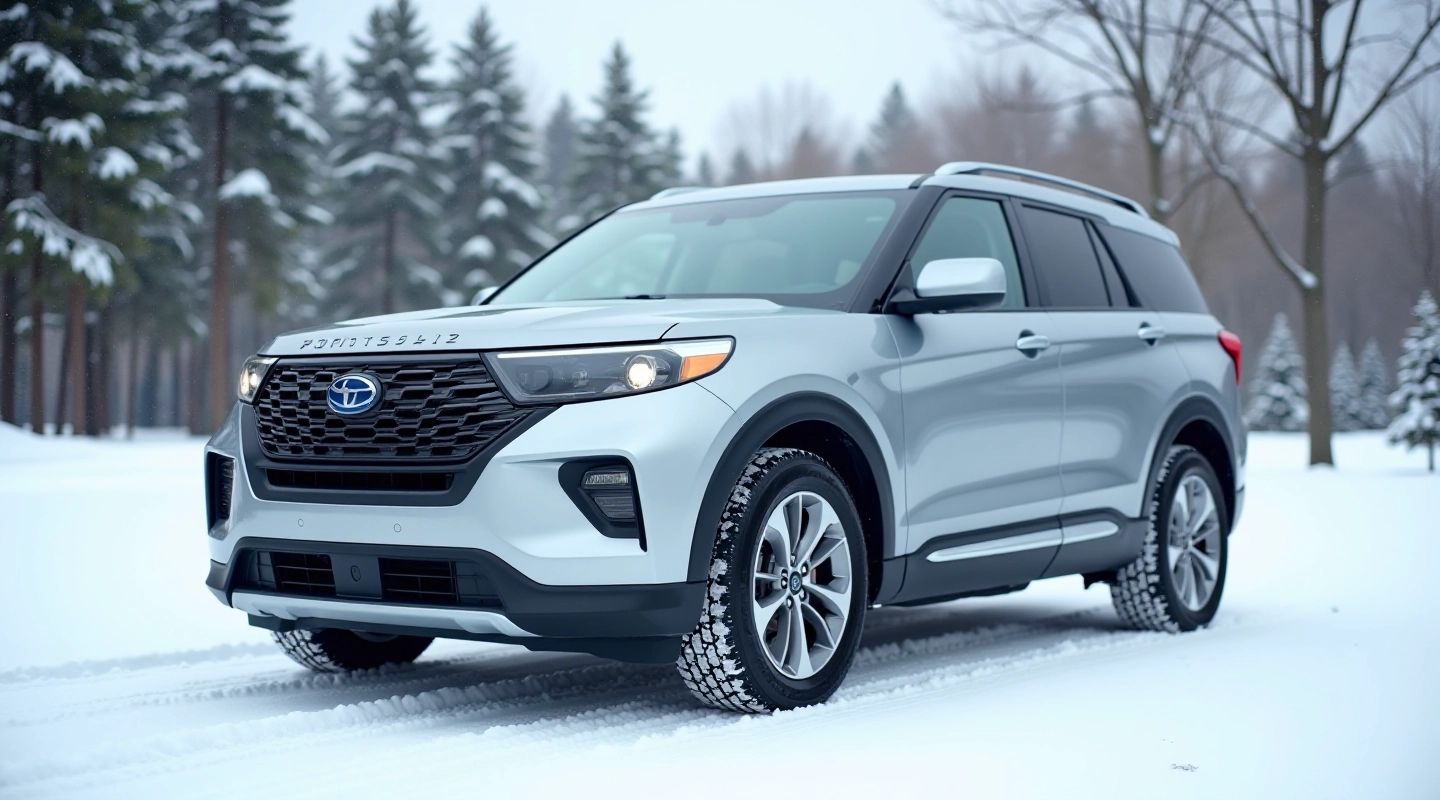
Modern SUV parked in snowy winter landscape with frost-covered evergreen trees

Featured Safety Reviews

Real-world assessments of winter-capable SUVs and their safety features.

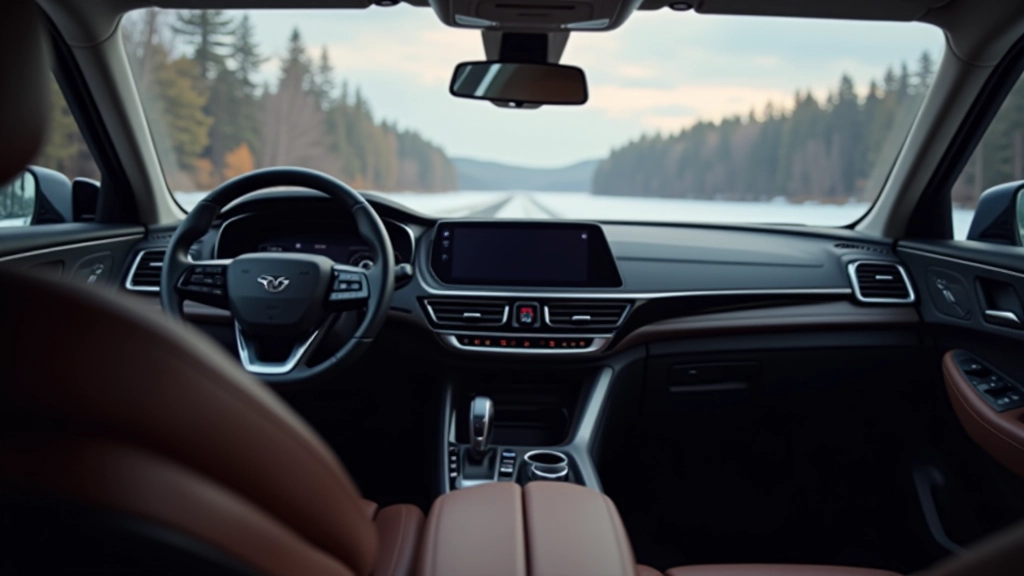
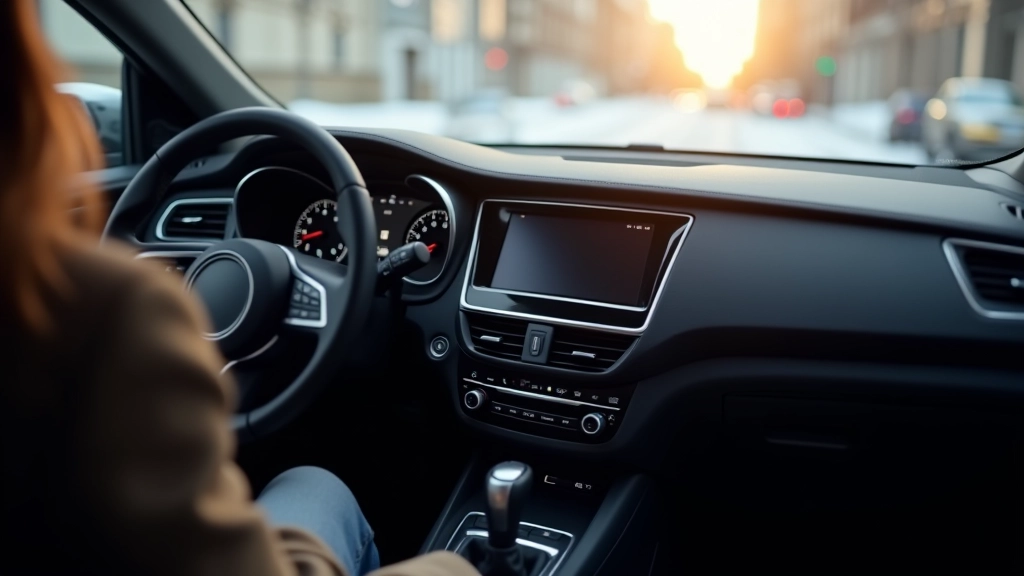
Dashboard view of modern SUV interior with heated seat controls and climate system visible

Heated Seat Technology: What Actually Makes a Difference

We tested heated seat systems across five popular AWD SUVs. Here's which ones warm up fastest and keep you comfortable on long drives.

12 min All Levels August 2026
Read More
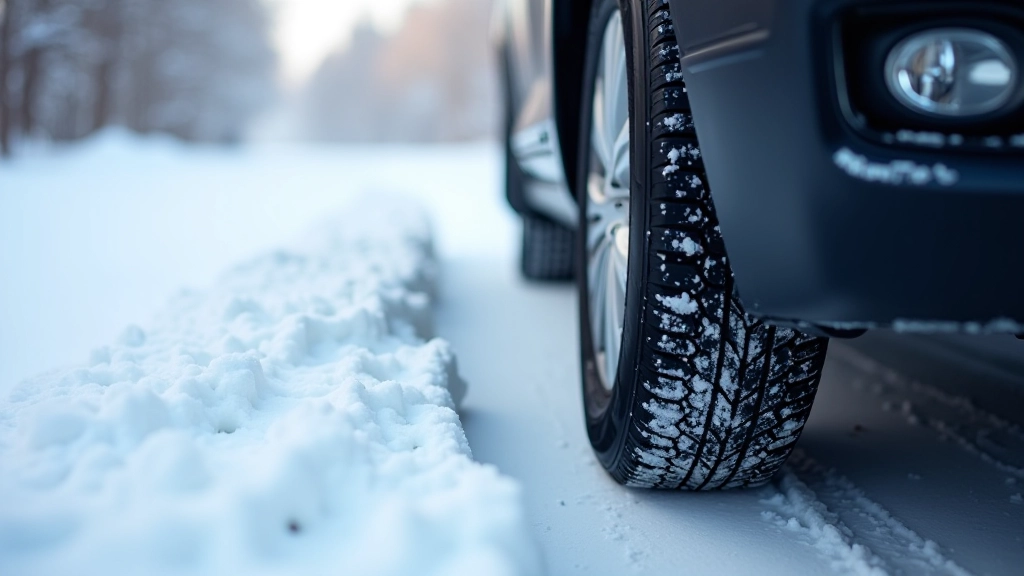
Close-up of tire tread and snow on a winter road surface

AWD vs 4WD: Which System Handles Winter Better

Breaking down the differences between AWD and 4WD for Ontario winters. Real-world performance data from Toronto and Ottawa drivers.

9 min Beginner August 2026
Read More
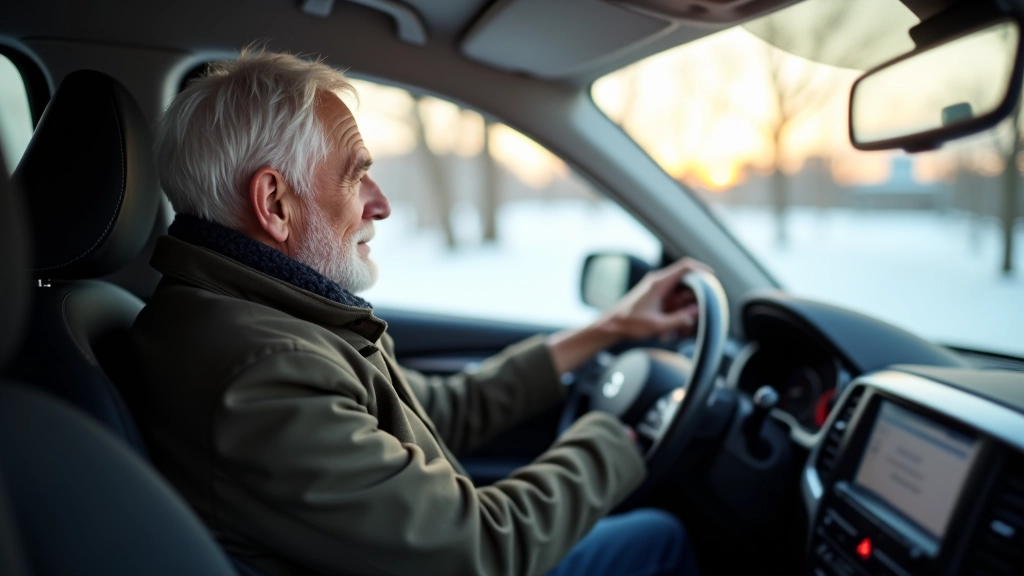
Senior driver sitting in driver's seat of SUV, hands on steering wheel, clear visibility through windshield

Senior-Friendly SUV Features for Winter Driving Safety

What makes a winter SUV safe and comfortable for older drivers. Features that reduce fatigue and improve confidence on icy roads.

10 min All Levels August 2026
Read More
Modern SUV's interior showing traction control and stability system display panel

Electronic Stability Control: How It Keeps You Safe in Snow

Understanding traction control, stability control, and brake systems. We explain what these features actually do when you're sliding on ice.

8 min Beginner August 2026
Read More

Winter SUV Safety Feature Comparison

Quick reference guide to essential features across popular models.

Feature What It Does Why It Matters in Winter
All-Wheel Drive (AWD) Automatically distributes power to all four wheels as needed Improves traction on snow and ice without requiring driver input
Heated Seats & Steering Wheel Electric heating elements warm seating surfaces Reduces fatigue on long winter drives; more energy-efficient than cabin heat
Electronic Stability Control Automatically applies brakes to individual wheels during skids Helps maintain control if the vehicle starts sliding on slippery roads
Winter Tires (Recommended) Rubber compound stays flexible in cold; deeper treads for grip Can improve braking distance by 20-30% compared to all-season tires
Heated Side Mirrors Defrosts mirror surfaces automatically Maintains clear visibility; eliminates manual scraping
Blind Spot Detection Sensors alert you to vehicles in blind spots Especially helpful when visibility is reduced by snow or frost

Pre-Winter SUV Safety Checklist

Four essential steps to prepare your SUV for Canadian winter conditions.

1

Check Your Battery and Fluid Levels

Cold weather reduces battery efficiency by 30-50%. Have your battery tested to ensure it's holding a full charge. Also check antifreeze concentration (should be 50/50 mix), windshield washer fluid rated for your climate, and engine oil viscosity for winter.

2

Switch to Winter Tires

Winter tires aren't optional in Ontario and Quebec—they're legally required in many situations. The rubber compound remains flexible in cold temperatures, and the tread pattern evacuates slush more effectively than all-season tires. Plan to switch by early November.

3

Test Your Brakes and Wipers

Have your braking system inspected—worn pads perform poorly on icy roads. Replace windshield wipers with winter blades that resist freezing. Test your defrost system to ensure it clears the windshield quickly. These three things directly affect your ability to stop safely.

4

Pack an Emergency Kit

Keep jumper cables, blanket, flashlight, first aid kit, and extra gloves in your SUV. Add sand or cat litter for traction if you get stuck. A phone charger and emergency contact list can be lifesavers. This takes 30 minutes to assemble and could prevent a serious situation.