
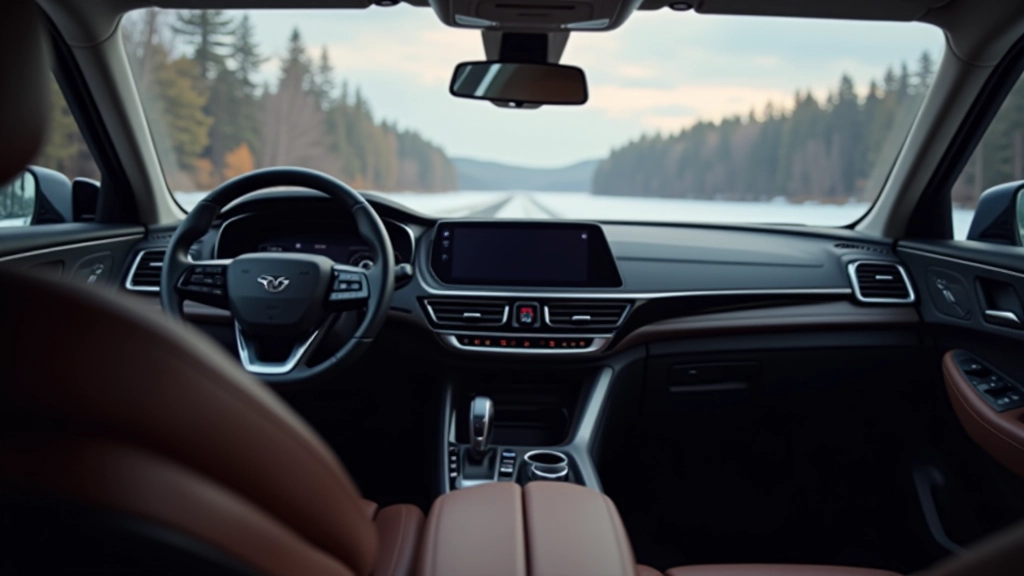
Heated Seat Technology: What Actually Makes a Difference
We tested heated seat systems across five popular AWD SUVs. Here's which ones actually keep you warm on long winter drives.
What makes a winter SUV safe and comfortable for older drivers. Features that reduce fatigue and improve confidence on icy roads.
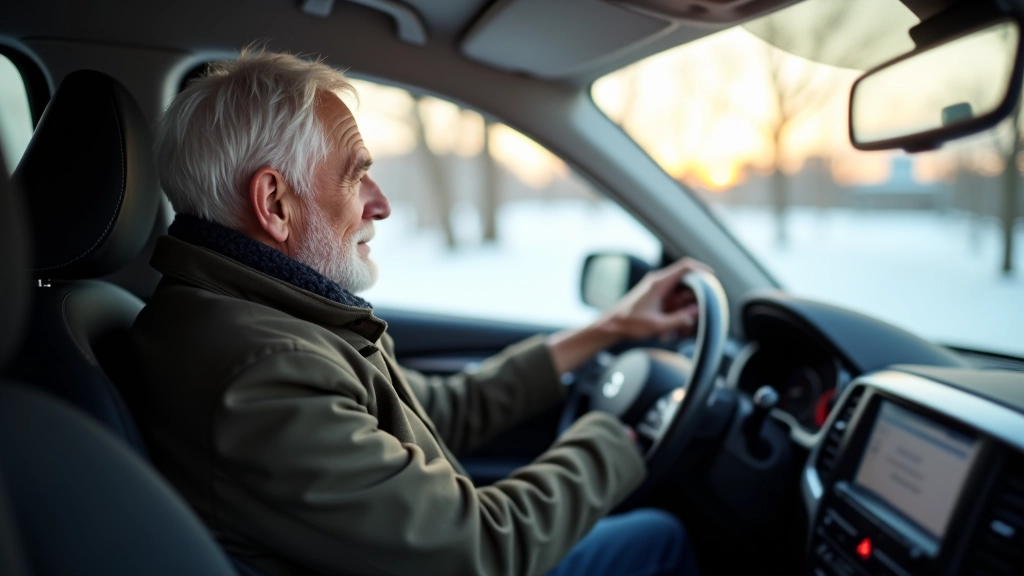
Winter driving gets harder as we get older. It's not just about the cold — it's about reaction time, visibility, and how your body handles the physical demands of being behind the wheel. An SUV with the right features can make a real difference. We're talking about things like heated seats that don't just feel nice, but actually reduce fatigue. Blind-spot monitoring that catches what your neck can't turn to see. Automatic emergency braking that responds faster than human reflexes.
The good news? Today's SUVs are built with these safety features standard on most models. You don't need to compromise on comfort or capability. What you need is to know which features actually matter for winter driving in Canadian conditions.
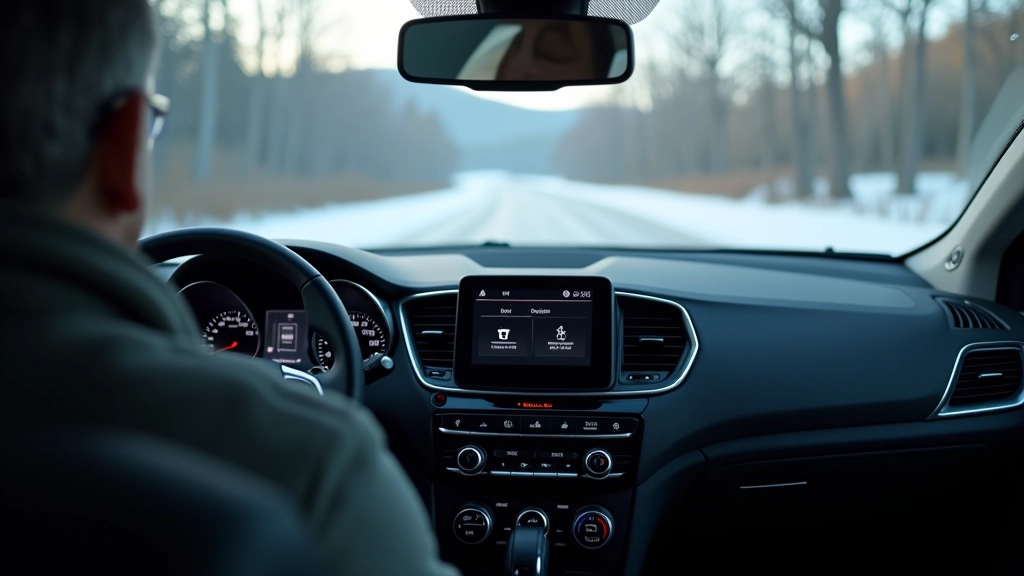
Heated seats do something important — they keep your muscles warm and flexible. When you're cold, your body tenses up. Your reaction time slows. Your grip on the wheel gets weaker. A good heated seat system warms you gradually, so you stay relaxed and alert for the full drive.
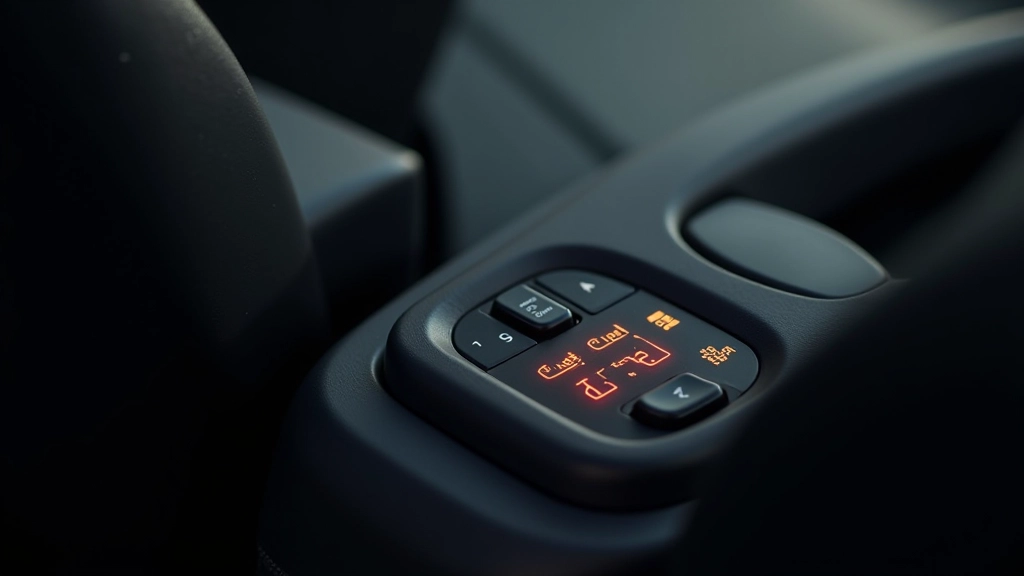
Look for SUVs with multi-stage heating. You want to adjust the temperature, not just have it blast at full power. Some models offer lumbar support combined with heating, which helps your lower back on longer winter drives. Three-zone climate control is even better — driver, passenger, and rear can each set their own temperature. This matters because your family might have different needs.
Don't overlook seat memory. If you're driving with an adjusted seat position and heated seat setting, memory buttons save that setup. You get in, press one button, and everything's exactly where you left it. Small thing, but it's one less adjustment you're making while focused on winter roads.
Informational Note: This guide provides educational information about winter SUV features for seniors. Features and capabilities vary by model year and trim level. Always consult your specific vehicle's manual and test features during a safe demo drive. Winter driving conditions are unpredictable — safety features assist but don't eliminate the need for careful driving.
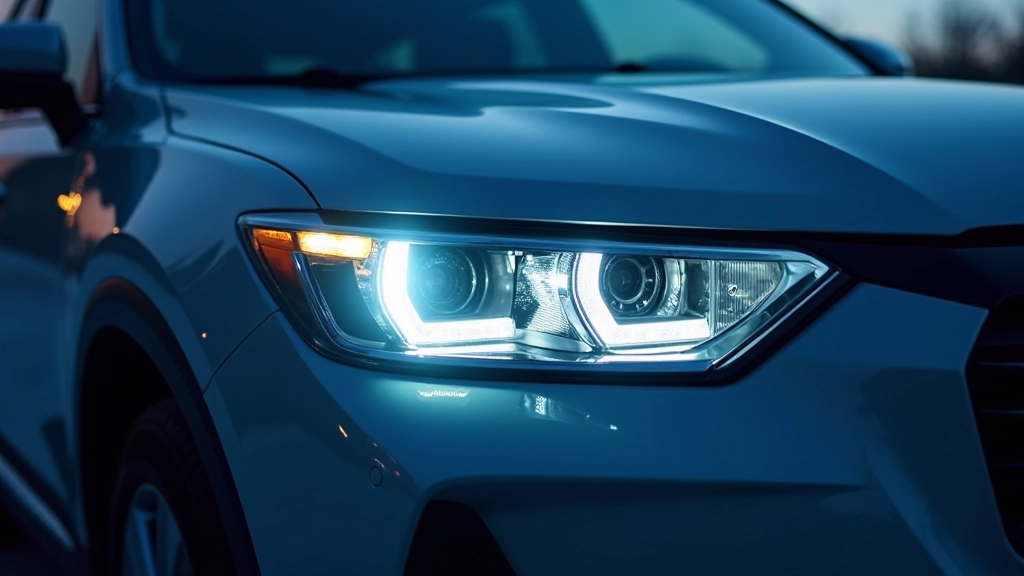
Winter days are short. You're driving in darkness more often than not. This is where LED and adaptive headlights make a real difference. LEDs are brighter and whiter than older halogen lights, so you see the road detail better. Adaptive headlights actually turn as you steer — when you're turning into a corner, the beam follows your steering input. This means you see the hazard earlier.
Fog lights aren't just for show. They cut below the snow dust that regular headlights can't penetrate. If you're driving in heavy snow, fog lights reveal the road edge and shoulder markings. Automatic high beams are genuinely helpful — the system detects oncoming traffic and switches to low beams automatically. You don't have to think about it.
Don't forget rear visibility. Backup cameras are standard now, but some SUVs offer 360-degree camera views. When you're reversing in a winter parking lot with reduced visibility, seeing all four corners of your vehicle matters. It's the difference between confidence and anxiety.
Here's the reality of aging and winter driving — your reflexes aren't what they were. An SUV with advanced safety systems compensates for that. Electronic stability control actively prevents skids by adjusting brake pressure to individual wheels. You hit a patch of ice, the system detects the slip and corrects it before you even feel it happening.
Blind-spot monitoring uses radar or cameras to watch areas you can't see. A warning light appears on the mirror or in your peripheral vision if a vehicle is alongside you. Lane-keeping assist gently nudges you back if you drift out of your lane unintentionally. These systems work together — they're not replacing your attention, they're supporting it.
Automatic emergency braking is perhaps the most important system. If you're approaching a vehicle too quickly or a pedestrian steps into the road, the system applies the brakes automatically. The delay between a senior driver recognizing a hazard and reacting can be critical. This system cuts that response time to milliseconds. Some systems work at any speed; others only below 30 mph. Know the limits of your specific vehicle.
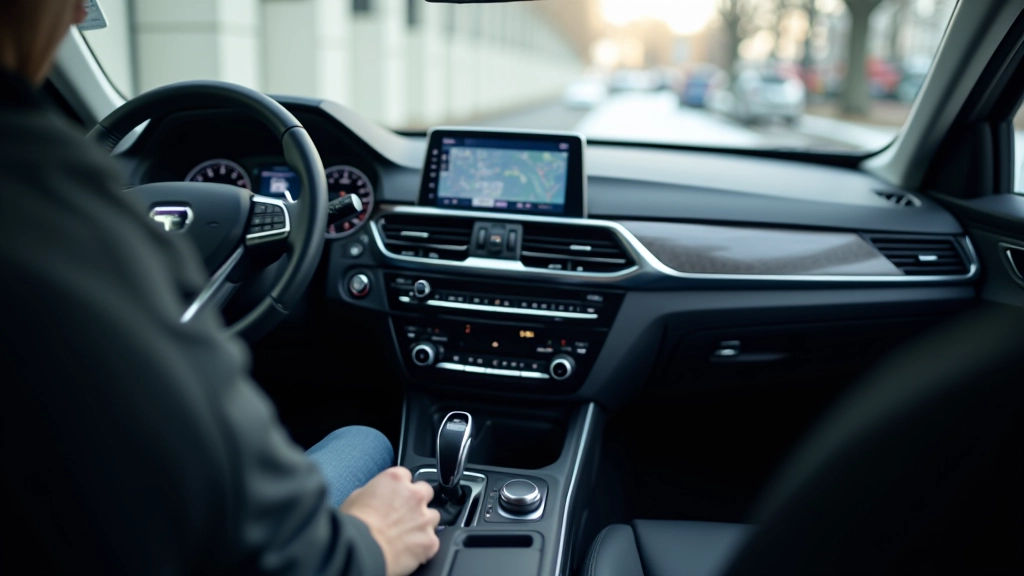
A confusing infotainment system is a distraction you don't need. Look for SUVs with straightforward controls — large buttons you can operate with gloves on, not tiny touchscreen icons. Voice commands should be simple. "Turn on the heat" works better than having to navigate three menus.
Power adjustable seats with lumbar support are worth the investment. You can adjust your position without twisting and reaching. Memory settings save your preferences. Power windows and locks are essential — you don't want to struggle with manual windows in winter conditions.
Consider the driving position. You want to sit upright enough to see the road clearly without straining your neck. The steering wheel should adjust for both height and reach. Pedals should be positioned so you're not stretching or cramping to use them. Spend time in test drives adjusting everything to your body.
Winter driving safety for seniors isn't about choosing the fanciest SUV. It's about matching features to your actual needs and physical capabilities. You're looking for heated seats that reduce fatigue. Lighting systems that let you see clearly. Safety systems that compensate for slower reflexes. Ergonomic controls you can operate without frustration.
The good news is that most modern SUVs have these features. You're not shopping for rarities. You're choosing between standard options that manufacturers have refined over years of feedback from drivers like you. Test drive multiple vehicles. Spend time adjusting seats, trying controls, and seeing how the visibility actually feels to you — not to someone twenty years younger.
Winter roads in Toronto, Ottawa, and across Canada are challenging. An SUV designed with your comfort and safety in mind makes winter driving less stressful and genuinely more manageable. You'll drive with more confidence, which actually makes you safer.
Author
Editorial Team
Written by the sabiza Editorial Team, focused on practical winter SUV safety and comfort guidance for seniors in Canadian cities.
We tested heated seat systems across five popular AWD SUVs. Here's which ones actually keep you warm on long winter drives.
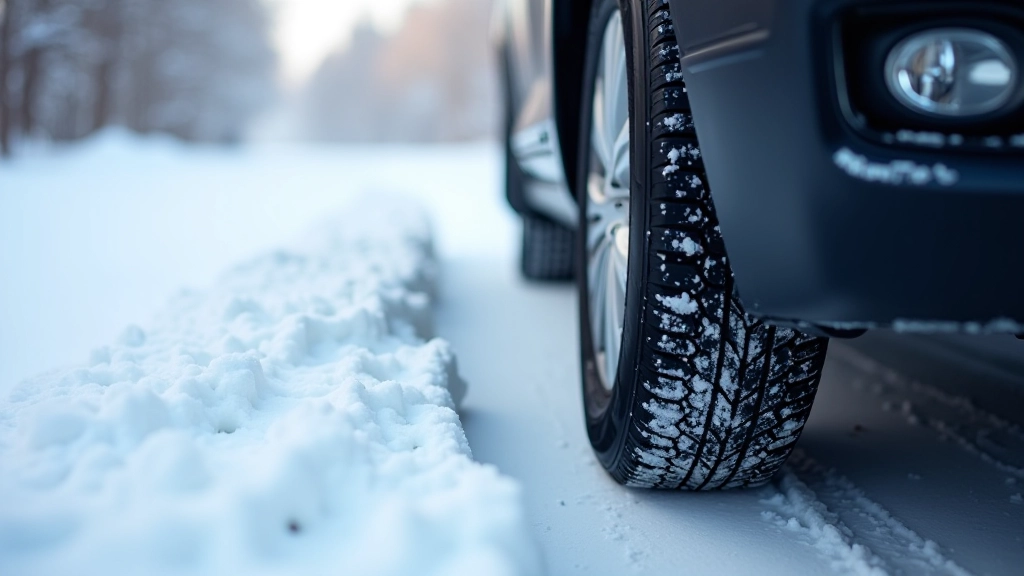
Breaking down the differences between AWD and 4WD for Ontario winters. Real-world performance in snow and ice.
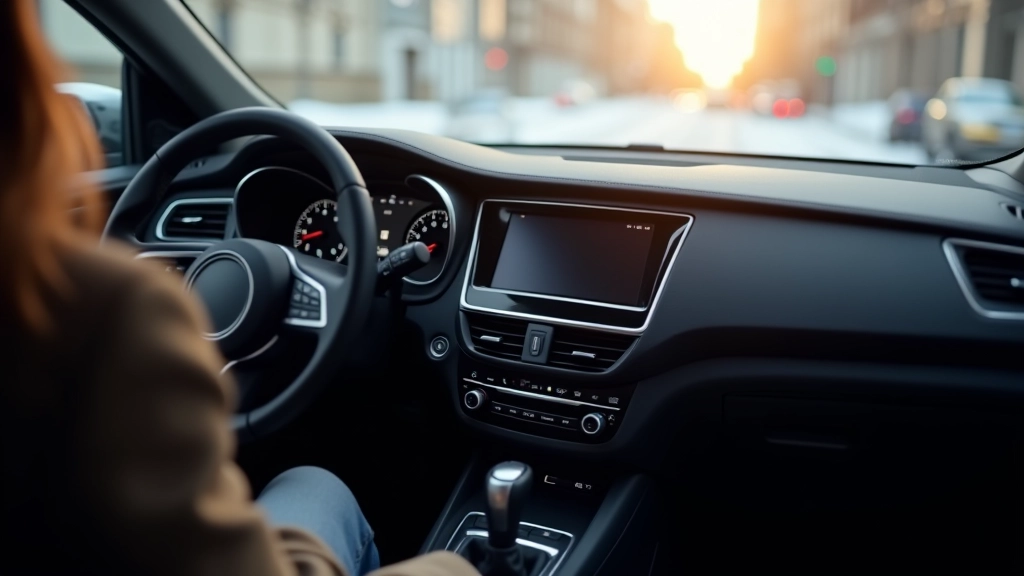
Understanding traction control, stability control, and brake systems. We explain how these systems prevent winter skids.