
Electronic Stability Control: How It Keeps You Safe in Snow
When your SUV starts sliding on ice, it's not just your instincts saving you — it's a sophisticated system working behind the scenes. We'll explain how electronic stability control actually works and why it's one of the most important safety features for winter driving.
What Exactly Is Electronic Stability Control?
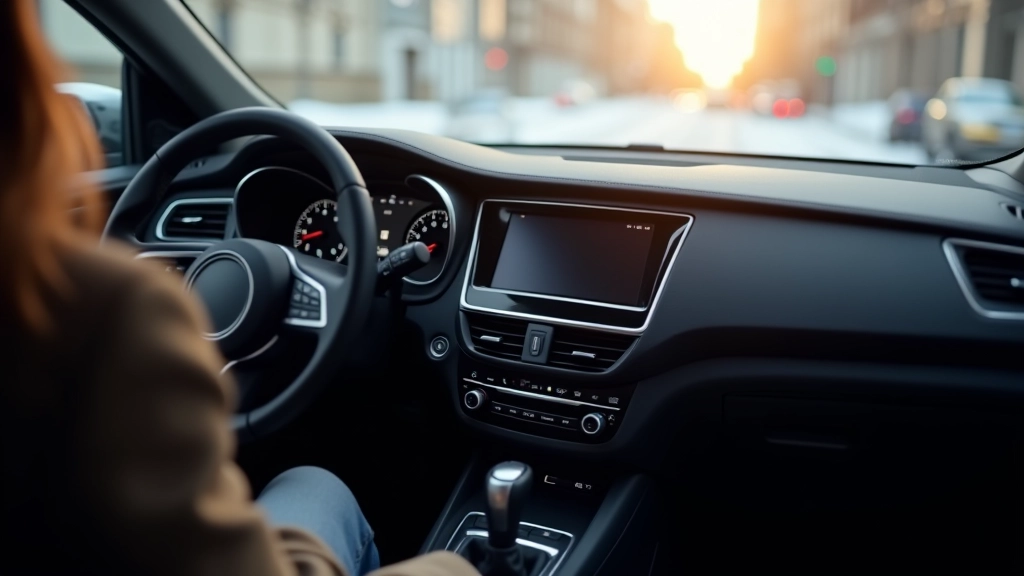
Electronic Stability Control (ESC) — sometimes called Electronic Stability Program (ESP) or Dynamic Stability Control — is an automated safety system that kicks in when your vehicle starts to lose traction. It's not something you activate manually. It's constantly monitoring your SUV's movements and ready to step in the moment things go sideways, literally.
Here's the key difference: your regular brakes slow you down. ESC prevents you from skidding in the first place. It does this by selectively applying brakes to individual wheels and, in some systems, adjusting engine power. When you're sliding on black ice heading toward the guardrail, ESC is the reason you don't.
How ESC Actually Works During a Slide
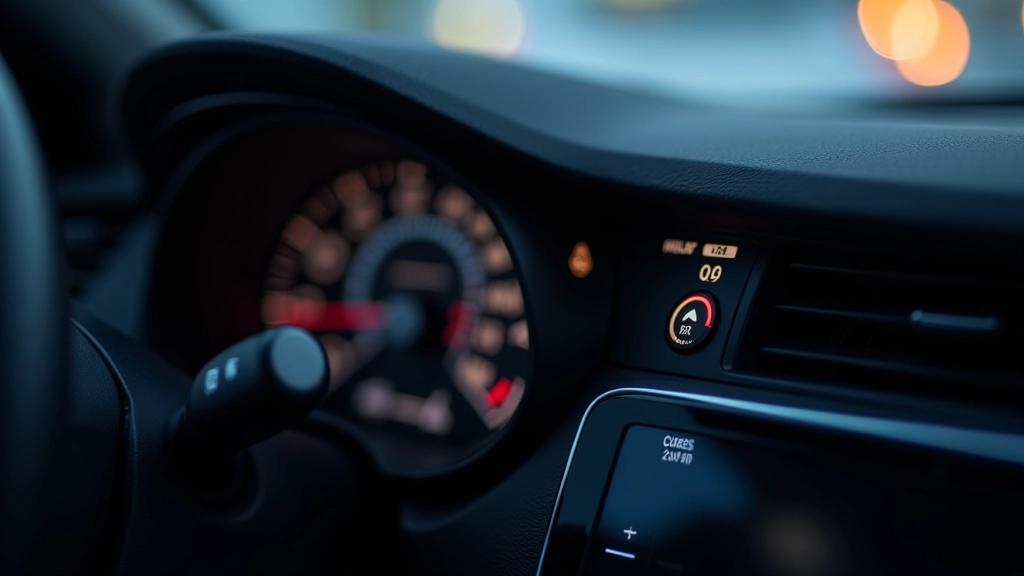
ESC relies on sensors — lots of them. Your SUV has gyroscopes measuring rotation, accelerometers detecting sideways movement, and wheel speed sensors on all four wheels. These sensors talk to a computer roughly 25 times per second. That's fast enough to catch a skid before you even notice it's happening.
When the system detects your vehicle sliding, it doesn't hesitate. It applies brake pressure to individual wheels to bring the skid under control. If your rear end is sliding left, ESC applies the right front brake. This creates a stabilizing force that brings your vehicle back in line. Some systems also reduce engine power momentarily, which further reduces wheel spin.
The Real-World Difference
Without ESC, a sudden lane change on ice might send you into a 180-degree spin. With ESC? You'll feel a slight vibration in the brake pedal and the car will straighten itself. You might not even realize the system activated.
What Makes ESC Different from Traction Control
These terms get confused all the time. Here's what you're actually getting in each system.
Traction Control
Prevents wheels from spinning when you accelerate on slippery surfaces. It's useful when you're trying to move forward — like accelerating from a stop on snow. It only works in the direction you're already moving.
Electronic Stability Control
Prevents your vehicle from skidding sideways in any direction. It handles unexpected slides, overcorrection, and loss of control during maneuvers. Works even when you're not accelerating. It's the bigger, smarter system.
Anti-Lock Braking (ABS)
Keeps your wheels from locking up when you slam on the brakes. You'll feel the pedal pulsing — that's ABS working. It's been around longer and is the foundation many modern systems build on.
Why Winter Driving Makes ESC Critical
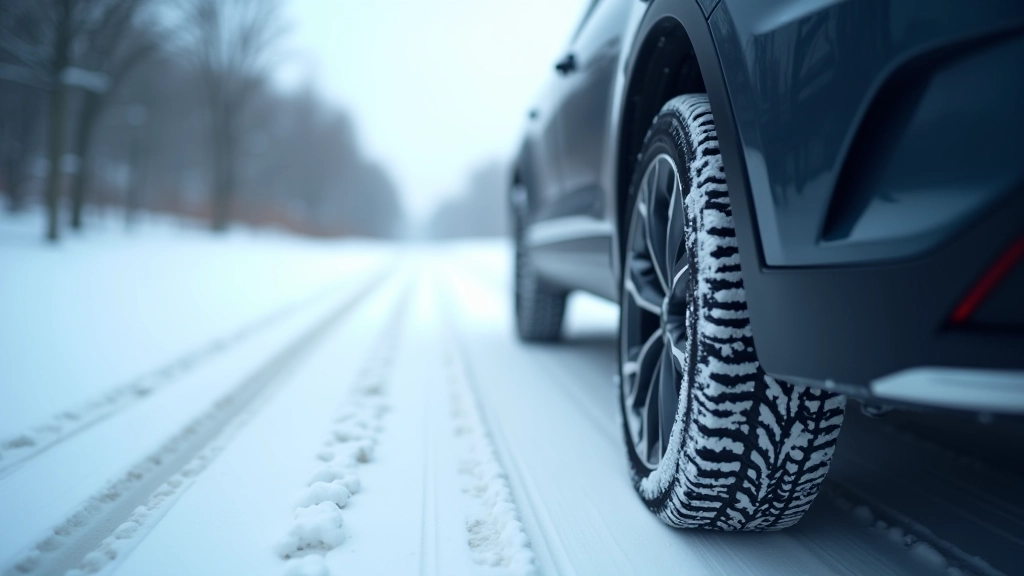
Winter conditions create a perfect storm for losing control. Ice is slippery. Your tires have less grip. The smallest steering input can trigger a skid. That's where ESC becomes genuinely life-saving.
Think about changing lanes on a snowy highway. Without ESC, a slight overreaction to traffic could send you into a slide. Your natural instinct might be to overcorrect, which makes it worse. With ESC, the system makes the correction for you before your slide even develops. You're safe before panic sets in.
Most winter accidents happen because drivers can't recover from a skid. They panic. They overreact. ESC removes that human element. It responds in milliseconds with precision you can't match with your hands and feet alone.

How to Use ESC Effectively (And When to Disable It)
ESC comes on automatically when you start your vehicle. In 99% of winter driving situations, you'll want to leave it on. But there are edge cases where drivers disable it.
Leave ESC On For
- Highway driving on snow or ice
- City driving in winter conditions
- Driving on unfamiliar winter roads
- Any situation where you're unsure of road conditions ahead
- Driving with passengers, especially seniors or children
ESC Might Feel Intrusive If
- You're stuck in deep snow and need to rock the vehicle back and forth
- You're driving in extremely steep terrain with poor traction
- You're on a closed course testing vehicle capabilities
Even in those situations, modern ESC systems are smart enough to know when you're trying to free yourself from snow and won't interfere. Most drivers never need to disable it.
Important: ESC Is a Safety Aid, Not Invincibility
Electronic Stability Control significantly reduces the risk of losing control in slippery conditions, but it's not magic. It can't override the laws of physics. If you're driving too fast for conditions, even ESC has limits. Winter driving still requires attention, appropriate speed, and good judgment. ESC works best as part of a complete winter driving strategy that includes proper tires, safe speeds, and careful steering inputs.

Author
Sabiza Editorial Team
Editorial Team
Written by the sabiza Editorial Team, focused on practical winter SUV safety and comfort guidance for seniors in Canadian cities.
Related Articles
Heated Seat Technology: What Actually Makes a Difference
We tested heated seat systems across five popular AWD SUVs. Here's which ones work and which ones are just marketing.
AWD vs 4WD: Which System Handles Winter Better
Breaking down the differences between AWD and 4WD for Ontario winters. Real-world performance in actual snow and ice conditions.

Senior-Friendly SUV Features for Winter Driving Safety
What makes a winter SUV safe and comfortable for older drivers. Features that really matter for independent winter driving.