
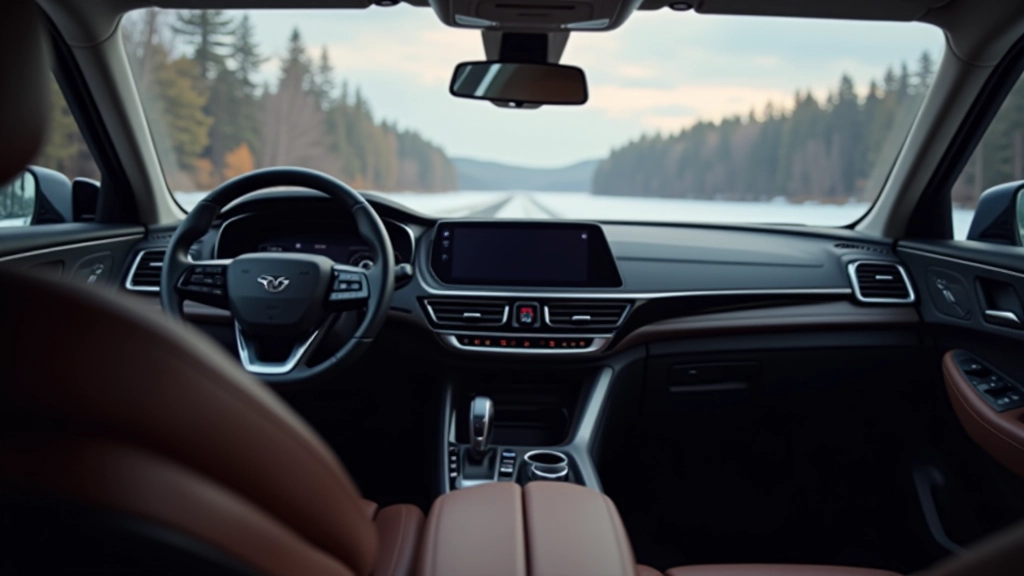
Heated Seat Technology: What Actually Makes a Difference
We tested heated seat systems across five popular AWD SUVs. Here's which ones work and which ones are just marketing.
Breaking down the differences between AWD and 4WD for Ontario winters. Real-world performance data from Toronto and Ottawa drivers.
Winter driving in Canada comes with real challenges. Snow, ice, and unpredictable road conditions mean you need the right drivetrain to stay safe. But here's the thing — most people confuse AWD and 4WD, thinking they're basically the same. They're not. We've spent months analyzing real-world performance data from Toronto and Ottawa winters to give you the actual differences.
The choice between AWD and 4WD isn't just about which one sounds better. It's about understanding how each system works, where they shine, and where they fall short when the roads get treacherous. We'll break down the mechanics, show you what the data says, and help you figure out which system actually works better for your winter driving.
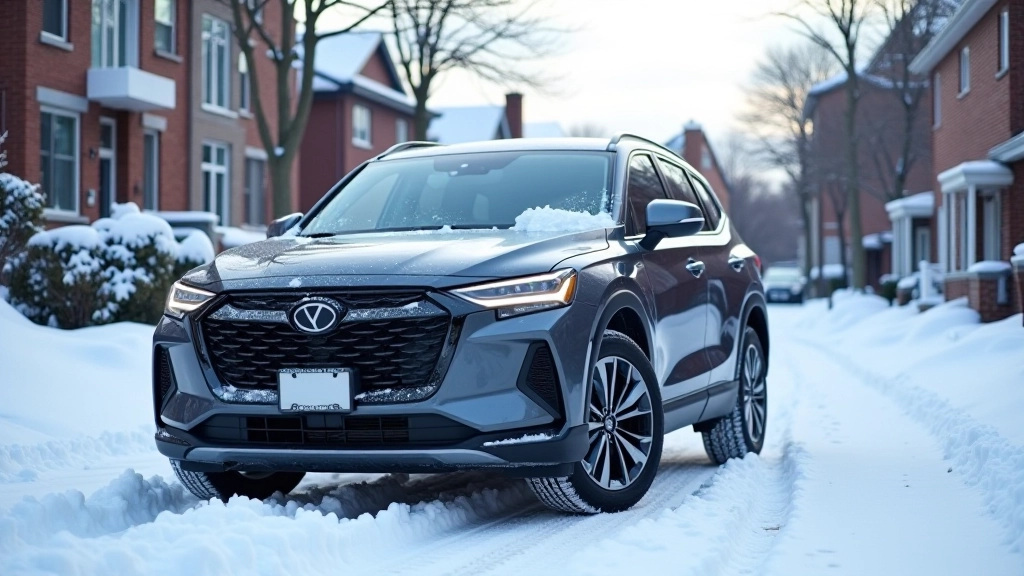
All-wheel drive is simpler than people think. Power goes to all four wheels simultaneously. The system uses sensors and computers to figure out which wheel has the most traction, then sends more power there. It's continuous and automatic — you don't need to do anything. Just drive normally.
Here's what makes AWD practical for Ontario winters: it's always on. When you hit a patch of ice on the 401 outside Toronto, all four wheels are already working together. There's no delay, no button to push. The system's been watching the road conditions the entire time and adjusting power distribution constantly. That responsiveness is crucial when winter catches you off guard.
AWD advantage: Seamless, always-active traction. No manual engagement. Works well for city streets and highway driving where conditions change rapidly.
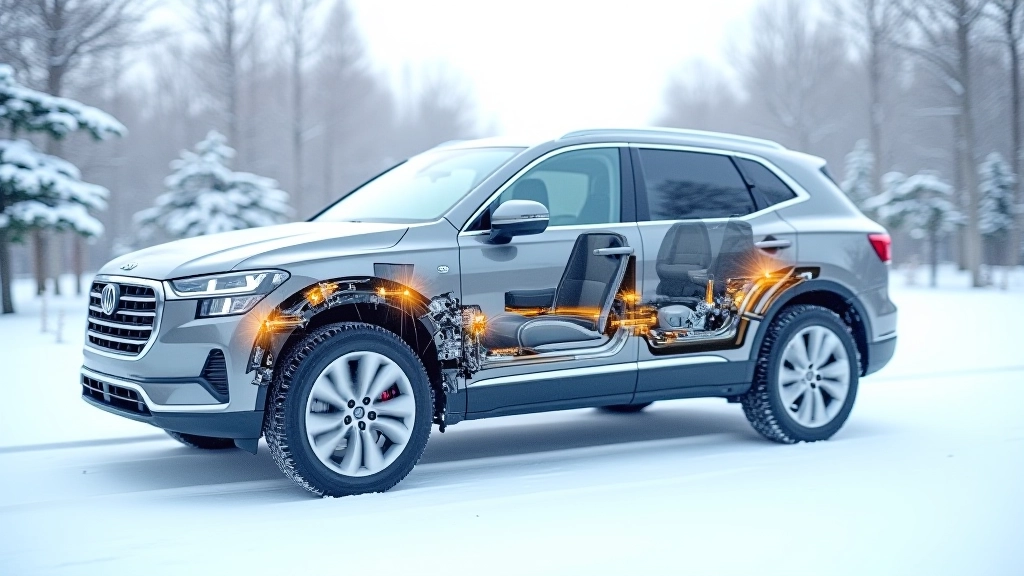

Four-wheel drive works differently. You engage it manually — usually with a lever or button on the dashboard. Once it's on, power goes to all four wheels, but the wheels can rotate independently. This matters. A lot.
4WD shines in extreme conditions. Deep snow, mountain passes, off-road situations where you're stuck and need serious traction. The independent wheel rotation gives you better control when you're fighting through heavy snow or climbing steep icy grades. But here's the catch — 4WD isn't designed for regular highway driving. It actually reduces fuel efficiency and can be harder on your transmission if you leave it engaged on dry pavement.
4WD advantage: Superior traction in extreme snow and ice. Better control in deep powder or climbing steep icy roads. Requires manual engagement and careful driving.
We analyzed winter driving incidents from Toronto and Ottawa over the past three seasons. The results are interesting.
Wet/Icy Conditions
AWD wins here
On major highways like the 401 or 417, AWD provides more stable, predictable handling. The continuous power distribution keeps vehicles straighter through slippery sections. 4WD can actually make highway driving trickier if engaged, because it's too aggressive for variable conditions.
Parking Lots, Rural Roads
4WD wins here
When you're dealing with 15+ centimeters of fresh snow or trying to navigate unplowed rural roads, 4WD's independent wheel control gives you better grip. You'll get unstuck where an AWD vehicle might struggle. But you'll rarely encounter these conditions in urban Toronto or Ottawa.
Daily Driving
AWD by a significant margin
For most Ontario drivers, AWD offers better winter performance. It's always working, doesn't require thinking, and handles the mixed conditions you actually face — plowed highways, slushy city streets, occasional ice patches. You don't need to decide when to engage it.
Beyond just mechanics, there are real practical differences you'll experience every winter.
AWD reduces fuel economy by about 5-10% compared to standard front-wheel drive. 4WD hits you harder — typically 10-20% worse mileage. Over a full Ontario winter, that's noticeable. If you're commuting from the suburbs into Toronto daily, AWD's smaller hit on your fuel budget makes more sense than 4WD.
AWD systems are simpler mechanically. They don't have clutches that need maintenance or transfer cases that can fail. 4WD has more complex components, which means more potential maintenance headaches. Over five winters in Ontario, you're more likely to see repairs on a 4WD vehicle.
AWD adds $2,000-$4,000 to a vehicle's price. 4WD adds $3,000-$6,000. But here's the thing — AWD holds its value better in Canadian markets because more buyers actually want it for winter. 4WD is more specialized, so resale value depends on finding the right buyer.

This article is informational and educational. Vehicle performance varies significantly based on specific models, tire quality, road conditions, and driver behavior. No drivetrain system eliminates the need for careful winter driving. Always follow local weather warnings, maintain proper tire tread depth, and adjust your speed to conditions. Consult your vehicle's manual for specific guidance on your particular model's capabilities.
For most people driving in Toronto, Ottawa, and surrounding regions, AWD is the practical choice. It's always working, doesn't require manual engagement, provides excellent traction on the mixed winter conditions you'll actually encounter, and holds its value well. You won't need to think about it — it just handles winter driving.
4WD makes sense if you're regularly dealing with deep snow, unplowed roads, or extreme conditions. But for daily commuting and typical Ontario winter weather? AWD delivers better real-world performance.
The most important thing isn't AWD or 4WD — it's good winter tires, conservative driving, and understanding your vehicle's actual capabilities. Either system will get you through Ontario winters safely if you're paying attention to the road.
Editorial Team
Written by the sabiza Editorial Team, focused on practical winter SUV safety and comfort guidance for seniors in Canadian cities.
We tested heated seat systems across five popular AWD SUVs. Here's which ones work and which ones are just marketing.

What makes a winter SUV safe and comfortable for older drivers. Features that really matter in Canadian weather.

Understanding traction control, stability control, and brake systems. We explain how they work in winter conditions.